
At a Glance
- Scientists discovered that a well-known compound called NAD+ plays an unexpected role in DNA repair.
- The findings suggest potential strategies to help protect against cancer, blunt damage from chemotherapy and radiation, and even slow some aspects of aging.
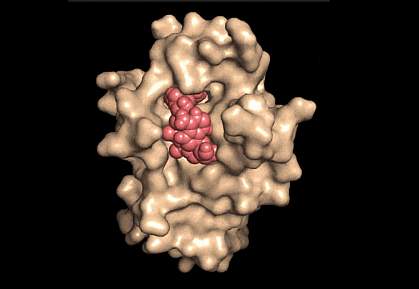 When NAD+ (red) binds to the DBC1 protein (beige), it prevents DBC1 from attaching to and blocking the activity of a protein critical for DNA repair.David Sinclair
Our DNA gradually accumulates errors, or mutations, over time. Many factors, such as tobacco and radiation from sunlight, are known to actively damage DNA. Cells also naturally accumulate a certain number of mutations with each division. Although our cells have sophisticated mechanisms for repairing DNA, errors inevitably slip through.
As we age, the ability of cells to repair damaged DNA declines, enabling more mutations to collect. Most mutations are harmless, but some can cause serious problems. Cancer, for example, is…
View original post 383 more words
 Health Concierge. Telemedicine. Personalized Diet Plan